"Heritage trees can be removed in most cases." The City of Charlotte said this, through media relations manager Jack VanderToll, in an email to The Charlotte Ledger for a WFAE report published September 24, 2026.
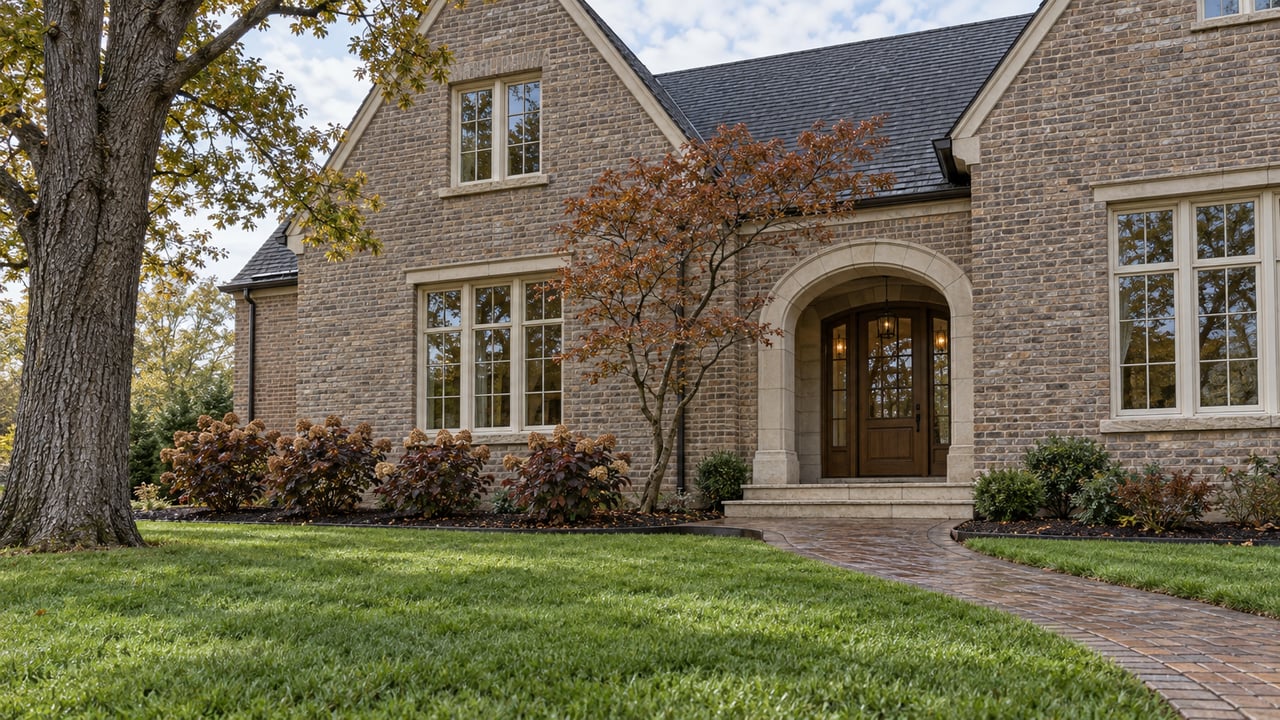
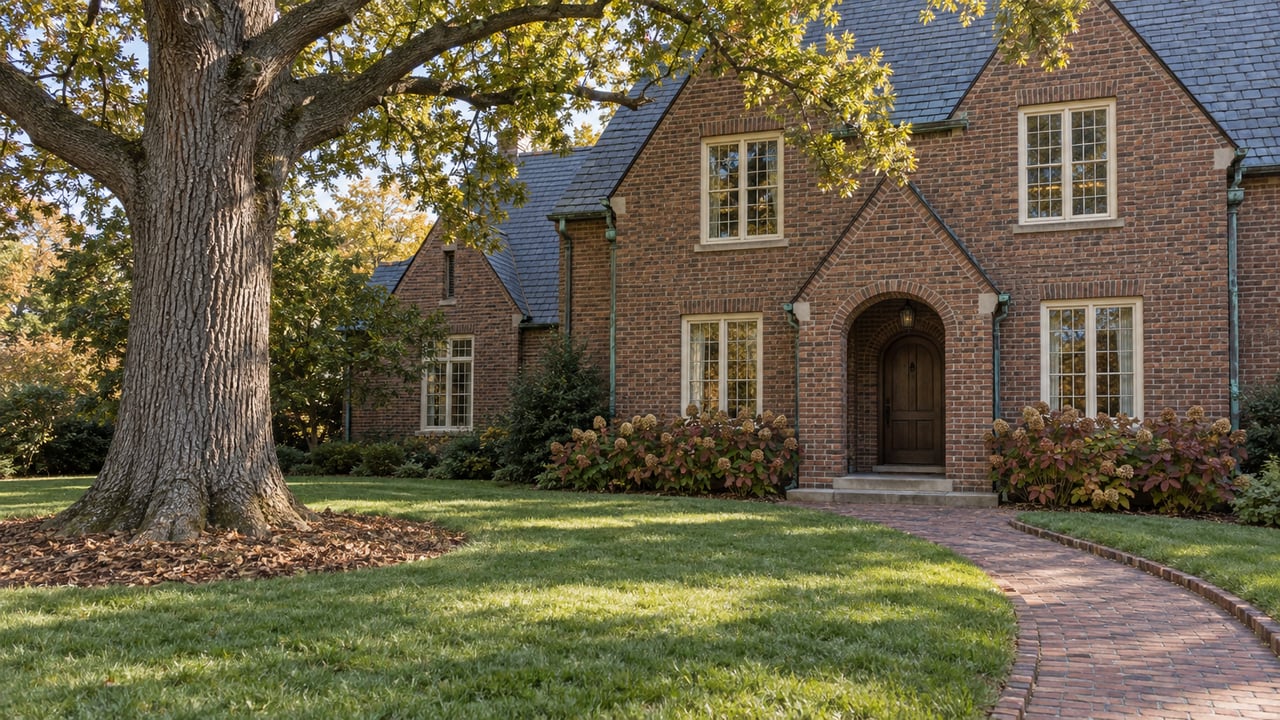
Eastover dates to 1927, when the E.C. Griffith Company started the neighborhood and Earle Sumner Draper designed its early curving drives, according to the Charlotte-Mecklenburg Historic Landmarks Commission's neighborhood history. After almost a century of growth, plenty of lots here carry trees big enough to fall under Charlotte's heritage tree rules.
Heritage Tree Removal and the Cost Debate
Charlotte's Unified Development Ordinance defines a heritage tree as a North Carolina native measuring 30 inches or more in diameter at breast height.
Shannon Binns, founder of Sustain Charlotte, argued in the WFAE and Charlotte Ledger report that "a flat $1,500 heritage-tree mitigation fee is unlikely to materially affect the economics of constructing a large new home," and that in practice the ordinance "functions more like a pay-and-plant removal system than a genuine heritage-tree protection system." Since the UDO took effect in June 2023, the city has received 2,390 heritage tree removal permits. As of August 19, 2026, 1,305 of them were part of development submissions and 1,085 were standalone homeowner requests. Mitigation fees collected over that period total about $4.5 million.
The city lists both additions and new single-family homes among the projects that go through its individual residential lot review.
Permit Timing and Enforcement
The WFAE report found the city has collected $53,760 in fines from 25 violations since January 2025.
Craig Errington, an arborist with Heartwood Tree Care, told the Ledger that a permit to remove a healthy heritage tree can take four to five days.
Condo Infill in Eastover
New construction in Eastover isn't all single-family. Copper Builders is selling Laurel at Eastover at 309 S Laurel Ave. It's a luxury condominium project with units of about 2,900 to 4,400 square feet, listed from $3 million on the builder's project page as of October 2026. The Charlotte Business Journal reported in July 2026 that the builder is expanding its boutique condo pipeline in Myers Park and Eastover.
Rob Nanfelt, executive director of the Real Estate & Building Industry Coalition, told the Ledger that payments in lieu of the green space requirement can reach up to 90% of a property's assessed tax value per acre.
What Could Change
The city's Tree Canopy Action Plan 2.0 is meant to produce canopy policy and ordinance recommendations for future UDO updates. According to the WFAE report, REBIC plans to propose permitting improvements, a lower financial burden, more tree banking options and more homeowner flexibility on heritage tree removal at upcoming plan meetings. Sustain Charlotte has called for tiered fees by tree size, an alternatives analysis before a healthy heritage tree can be removed, and public notice or review for the largest trees. No amendment text or council vote has been published. For now these are proposals.
Where the Mitigation Money Goes
Fees go into a city fund set aside for tree protection, management and long-term land acquisition within Charlotte, according to the WFAE report.
This post is general information, not legal advice. Confirm how the ordinance applies to a specific lot with the City of Charlotte, a certified arborist and your own counsel before you commit to a plan.
If you're pricing an Eastover teardown or a major addition, Matthew Alexander brings general contracting experience to that decision. Schedule a consultation.